Trézór Bridge®™ | Smooth, Safe, and Encrypted Crypto Connectivity
In the ever-evolving world of digital assets, secure connectivity between devices, software, and the blockchain is essential. Crypto holders of all levels understand that safeguarding private keys, executing secure transactions, and maintaining smooth compatibility across platforms are fundamental priorities. Enter Trézór Bridge®™, a core part of the Trezor ecosystem that provides smooth, safe, and encrypted crypto connectivity between your hardware wallet and supported applications.
While many users are familiar with popular crypto management tools such as ledger live and ledger live desktop from Ledger wallets, Trézor has developed its own secure connectivity bridge that ensures a seamless experience for users who choose Trezor hardware wallets. If you’re just starting with your Trezor device, begin at the official setup portal trezor.io/start — the trusted source for account initialization and device onboarding.
This comprehensive guide explores how Trézór Bridge®™ enhances your crypto experience with encrypted communication, seamless device integration, and round-the-clock reliability. We’ll also compare it conceptually with familiar interfaces like ledger live and ledger live desktop, and provide insights to boost your confidence as a secure crypto user.
What is Trézór Bridge®™? Smooth, Safe, and Encrypted Connectivity
At its core, Trézór Bridge®™ is a secure connection layer installed on your computer that enables communication between your Trezor hardware wallet and web-based or desktop management tools. Without this encrypted bridge, your browser wouldn’t be able to recognize or communicate safely with the hardware wallet.
Think of Trézór Bridge®™ as a translator that creates a dedicated, encrypted path between your Trezor device and the applications you use to manage your crypto. This path ensures no sensitive information — especially private keys — ever leaves your hardware wallet.
If you’re familiar with ledger live or ledger live desktop, you know how critical a secure software layer is between your device and the blockchain. Trézór Bridge®™ works similarly by handling this responsibility with an unmatched focus on encrypted safety.
Why Secure Connectivity Matters in Crypto
Security is paramount in crypto because transactions are irreversible and private keys are ultimate proof of ownership. When cryptocurrencies are sent or received, every detail must be verified and signed securely.
Here’s why smooth, safe, and encrypted connectivity is so important:
Encrypted Transmission: Every instruction between the device and your application is encrypted.
Private Keys Are Never Exposed: Like with ledger live desktop, Trezor ensures that private keys remain offline.
Protection Against Malware and Phishing: Secure connectivity makes it much harder for malware to intercept communications.
Trusted Hardware Communication: Your Trezor wallet verifies transactions locally before approving them.
If you’re transitioning from tools like ledger live to the Trezor ecosystem, or even running both, understanding the role of secure connectivity layers like Trézór Bridge®™ is critical to protecting your assets.
How Trézór Bridge®™ Works
To fully appreciate the power of Trézór Bridge®™, it helps to understand the flow of data and how it stays secure:
Step 1: Installing Trézór Bridge®™
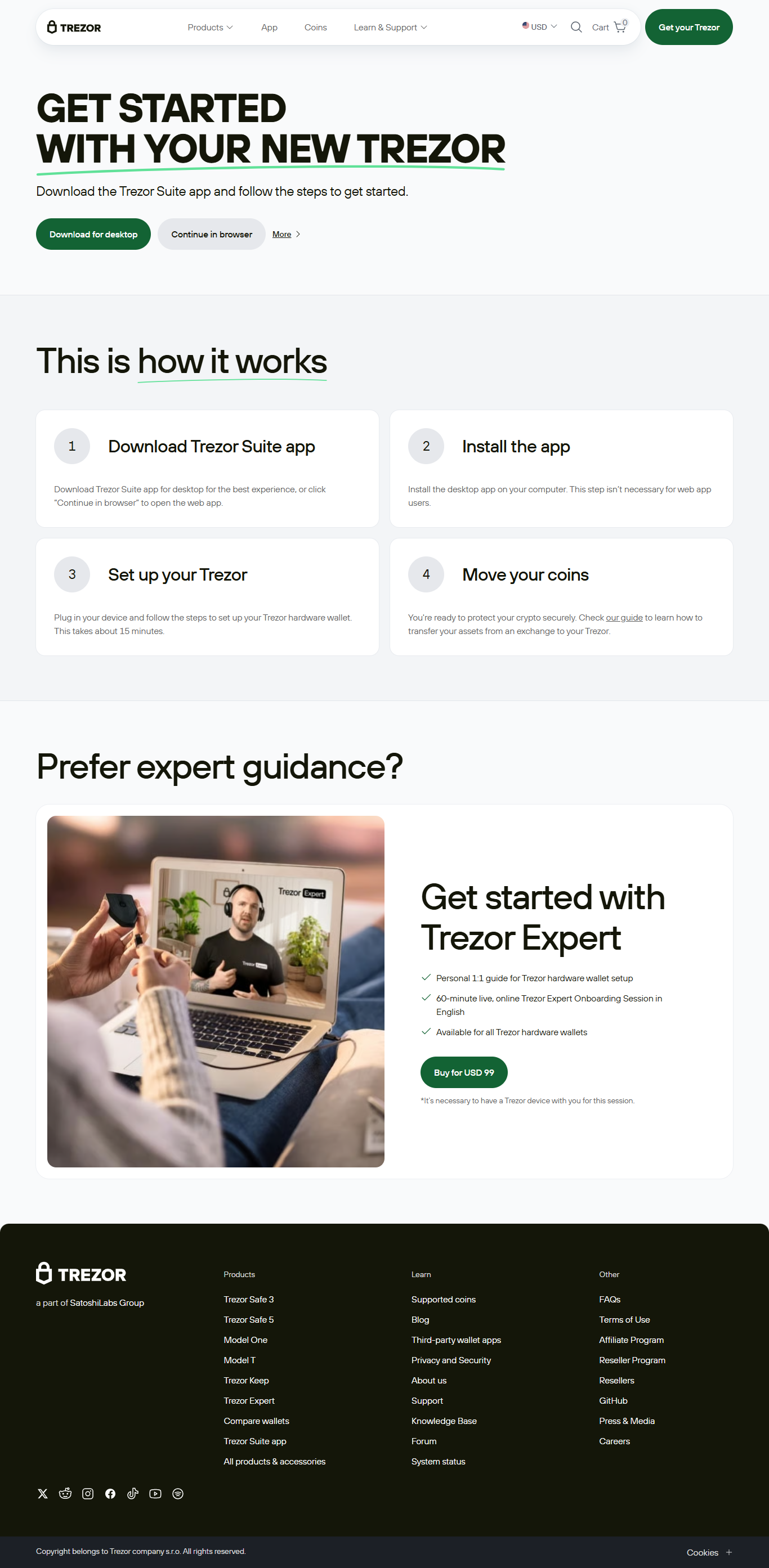
Start at the official Trezor setup portal: trezor.io/start. This site will automatically detect your operating system and prompt you to download Trézór Bridge®™ if it’s not already installed.
Unlike third-party installers or unverified downloads, trezor.io/start guarantees you’re accessing authentic, updated connectivity software that keeps your device communication secure.
Step 2: Establishing a Secure Channel
Once installed, Trézór Bridge®™ facilitates a secure encrypted channel between:
Your Trezor device (e.g., Trezor Model T or One)
Your browser (Chrome, Firefox, or others)
Web interfaces or desktop tools
This channel protects all communication, ensuring that no unencrypted traffic travels between your hardware wallet and your management interface.
Step 3: Transaction Signing
When you initiate a transaction or login process through your device:
Your application sends a request via Trézór Bridge®™.
Your Trezor device displays details so you can review them.
You confirm or deny the action on the device itself.
The Trezor signs the transaction securely — never exposing your private keys — and transmits it through the encrypted channel.
This process is fully analogous to the experience users have with ledger live or ledger live desktop, where secure signing happens locally on Ledger devices.
Trézór Bridge®™ Compared to Ledger Connectivity Tools
Both the Trezor and Ledger ecosystems prioritize secure connectivity, but there are differences in implementation and user experience.
Ledger Live / Ledger Live Desktop
ledger live and ledger live desktop are applications developed by Ledger that serve as complete management platforms — portfolios, staking, transactions, and app integration in one place.
These tools provide:
Portfolio dashboards
Asset performance overviews
Built-in swap and transfer features
Cross-platform support
You can begin setup for Ledger devices at ledger.com/start, the official onboarding portal for Ledger hardware wallets.
Trézór Bridge®™ + Web Interfaces
Trezor’s approach is slightly different: instead of a single full-featured desktop app, Trézór Bridge®™ acts as the secure connector. Management can occur via:
Web-based dashboards accessible once the bridge is installed
Trezor Suite (desktop or web)
Browser extensions and compatible third-party tools
While both Ledger and Trezor ecosystems offer strong security, Trézór Bridge®™ focuses intensely on the connectivity layer — ensuring encrypted communication — while allowing flexibility in how users manage assets.
Security Benefits of Trézór Bridge®™
Security isn’t just a buzzword — it’s a set of engineering principles that protect your digital wealth. Here’s how Trézór Bridge®™ reinforces security:
Encrypted Local Communication
All traffic between your device and browser or application is encrypted. This stops external actors from sniffing or manipulating data.
Device-Verified Transactions
When you sign a transaction on your Trezor device, you’re verifying:
The recipient address
The amount
Any associated fees
It’s a physical action, much like confirming transactions on ledger live desktop, and gives you full confidence that the transaction is genuine.
No Keys on the Internet
Just like in the ledger live environment, your private keys stay on your Trezor device — never on a connected computer, browser, or cloud server.
This isolation drastically reduces your risk of loss due to hacks or malware.
Best Practices for Using Trézór Bridge®™
To get the safest experience:
Always download from official sources.
Trezor users: trezor.io/start
Ledger users: ledger.com/start
Keep firmware updated.
Regular hardware updates ensure vulnerabilities are patched.Beware phishing sites.
Only interact with trusted URLs and extensions.Back up your recovery seed securely.
Hardware wallets are secure, but your seed is your ultimate backup.Use encrypted connections and avoid public Wi-Fi when transacting.
Following these steps with Trézór Bridge®™ gives you a smooth, safe, and encrypted crypto connectivity experience every time.
Final Thought
Crypto security is only as strong as the weakest link in the chain. Connectivity layers like Trézór Bridge®™ play an often-underappreciated but vital role in protecting your digital assets.
Whether you’re a long-term HODLer, active trader, or new to hardware wallets, secure communication between your device and management tools should always be a priority. Tools like ledger live, ledger live desktop, and trezor.io/start all play meaningful roles in secure crypto management — but what sets a safe ecosystem apart is its commitment to encrypted, device-verified connectivity.
Trézór Bridge®™ delivers precisely that — a connection layer purpose-built for smooth, safe, and encrypted crypto connectivity that aligns with the most rigorous security standards in the industry.
Get started at the official Trezor setup page: trezor.io/start
Frequently Asked Questions (FAQs)
What is Trézór Bridge®™?
Trézór Bridge®™ is a secure connectivity layer that enables communication between your Trezor hardware wallet and supported user interfaces.Is Trézór Bridge®™ safe?
Yes — it ensures encrypted communication and keeps private keys on the device.How do I install Trézór Bridge®™?
Begin your setup at trezor.io/start and download the appropriate software.Can I use Trézór Bridge®™ with multiple applications?
Yes — it works with various supported dashboards and third-party integrations.What’s the difference between Trézór Bridge®™ and ledger live?
Trézór Bridge®™ is a connectivity tool, while ledger live is a full-featured management platform.Does Trézór Bridge®™ work with all browsers?
It supports major browsers, but always check official compatibility before installing.Do my private keys leave my Trezor device?
Never — they remain secure on the hardware wallet.Where do I start with Ledger devices?
Visit ledger.com/start for official setup.Is connectivity encrypted?
Yes — Trézór Bridge®™ encrypts all local communication.Can I access my portfolio through the bridge?
Yes — after installing the bridge you can safely access management tools.